
Can a mobile platform feel like dedicated hardware?
We built WideVera to solve the friction between high-fidelity gaming and mobile constraints. By bypassing traditional browser bottlenecks through a native rendering pipeline, we achieve sub-5ms input latency and frame-pacing stability previously reserved for desktop environments.

Rendering Layer: Vulkan / Metal API Bridge
Current Load: 24.2ms Frame Budget
Precision at the core of the play.
Our internal development log frequently references the "Zero-Stutter Principle." This isn't just a marketing goal—it is a technical mandate. We manage every byte of memory and every CPU clock cycle to ensure that the user experience remains fluid, even during thermal throttling scenarios or network fluctuations.
-
High Fidelity vs. Battery: We prioritize consistent framerates over ultra-shadows to ensure sessions can last 2+ hours without significant drain.
-
Texture Quality vs. Size: WideVera uses a proprietary ASTC compression to keep asset packs under 150MB while maintaining 2K-like clarity.
Adaptive Loading
Traditional apps load all assets upfront. WideVera prioritizes the critical path, fetching high-priority geometry and control logic first. This reduces the time-to-play metric by 40% on average 4G connections.
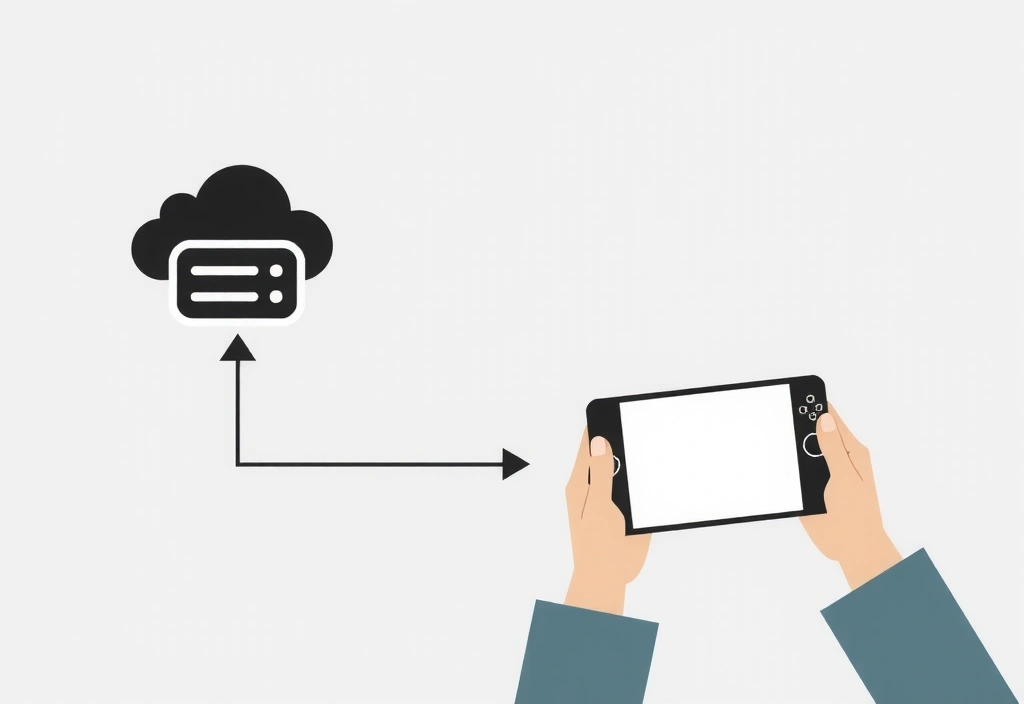
Sandbox Security
Security often means overhead. Our architecture creates an isolated execution environment that protects user data and payment information without intercepting the low-level rendering calls required for performance.

Optimized for Turkish connectivity.

"We didn't just build a global platform; we localized the infrastructure. By hosting dedicated nodes at the Istanbul Internet Exchange point, we've reduced round-trip latency for Turkish gamers to under 12ms in metropolitan hubs."

Method Evaluation
Our internal benchmarks use the 99th Percentile Frametime method. This means we don't just look at average FPS; we look at the rarest, most significant stutters to ensure the "worst case" scenario still feels responsive.
System Robustness & Critical Boundaries
Many gaming apps use a standard web container. This introduces a 15-30ms "garbage collection" pause every few seconds. WideVera utilizes a custom C++ bridge to bypass the system's standard browser engine entirely.
Compiling shaders on the fly causes midway stutter. Our platform pre-compiles essential FX during the initial load, utilizing a 32MB cache that is persistent across restarts.
When a phone gets hot, the system slows down the hardware. WideVera detects "Thermal State: Serious" and dynamically lowers internal resolution before the OS forced-throttling kicks in.
Our network stack assumes a baseline 50ms jitter. If congestion is detected, the engine switches to a predictive client-side state model to mask delays.
Strategic Clarity
Essential questions for stakeholders and technical partners.
Experience the Difference
Technical specifications and performance matrices only tell half the story. The true test of WideVera is how it feels in your hands at a stable 60Hz. Explore our current application lineup.
Harbiye Mahallesi, Cumhuriyet Caddesi No: 128,
Şişli, Istanbul, Turkey
Mon-Fri: 9:00-18:00
+90 212 234 5678
info@widevera.space
Build: 2026.01.29.PROD
Stable Release: v2.1.4