


Report: Ecosystem shifts

The Infrastructure Pivot

How strategic server-side consolidation is reshaping the mobile landscape for indie studios in Turkey and beyond.

In our latest investigation, we examine the unprecedented alliance between cloud infrastructure providers and mid-tier mobile publishers. This isn't just a corporate merger; it's a technical response to the increasing overhead of low-latency global gaming. By centralizing the achievement and SDK systems across iOS and Android, studios can finally bypass the fragmentation that once devoured 30% of their R&D budget.

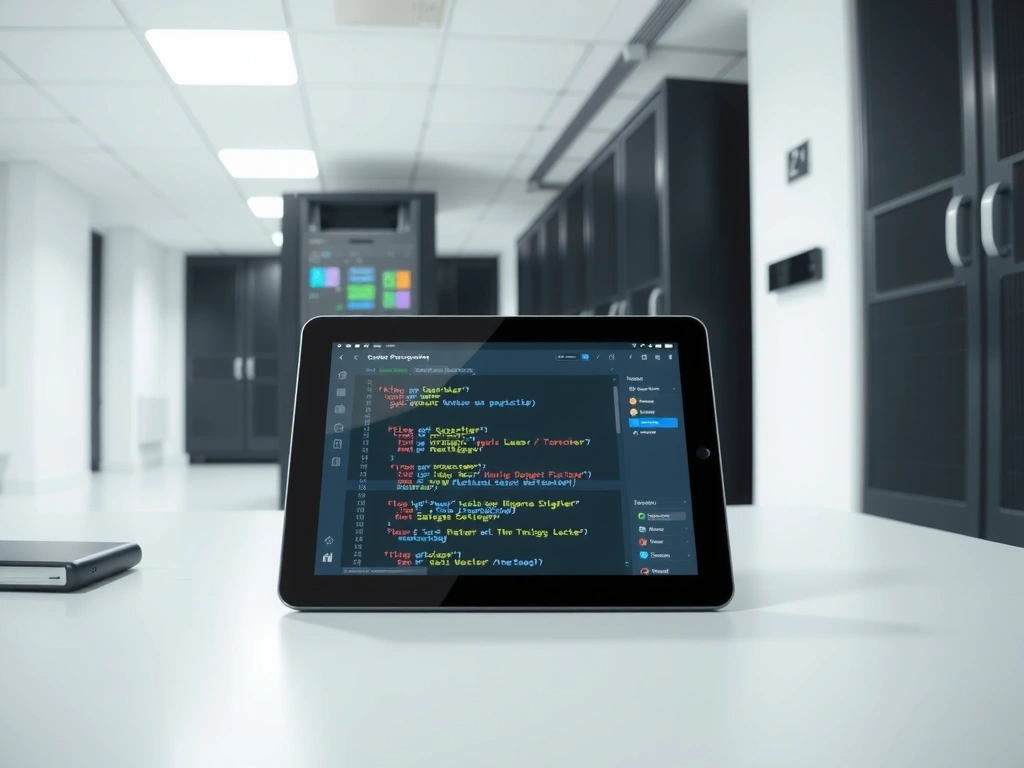
Technical Infrastructure Workspace
Fig. 01 // Global Node Deployment

Flagship GPU updates favor Ray Tracing over raw clock speed.

Recent benchmarks from the latest smartphone chipsets indicate a 40% efficiency gain in real-time lighting calculations. However, for Turkish developers, the trade-off remains the same: high-fidelity visuals versus the risk of thermal throttling on older 4G-dependent devices.

Technical breakdown →
GP-U
Industry Pulse
15% Drop in Q3 Ad Spend

"Shift toward community-driven retention."

Infrastructure
22ms Avg. Local Ping (TR)

Optimization on Marmara nodes showing stability even during peak hour congestion.

Urgent: Security Log

A critical patch for the standard analytics SDK (v3.1) is now mandatory. Failure to roll out the update risks user privacy non-compliance under regional digital hosting regulations.

Technical Vignettes:
Lessons from the Field

Scenario // Load Optimizing

"We were testing frame rate stability on a 3-year-old Android device in a rural area. The app crashed not because of the GPU, but the asset streaming pipeline suffocating on limited LTE bandwidth."

— Senior Performance Engineer, Istanbul

Hardware Performance Test
Analysis // Audio Fidelity

Engineering audio cues for competitive play requires more than just high-bitrate files. Our deep dive into battle royale mechanics reveals that directional sound priority saves more CPU cycles than standard texture compression.

Request full report
Audio Engineering Visual

Technical Lexicon // Opinions Included

Draw Call Neutrality

Status: Critical

Our view: Essential for urban environments. If your renderer doesn't optimize this, you're essentially building a heater, not a game.

Micro-Subscription

Status: Trend

Our view: A more stable revenue model than loot boxes, but requires extreme transparency to maintain user trust in competitive segments.

Haptic Precision

Status: R&D

Our view: The next frontier for immersion. We see hardware manufacturers shifting 15% more budget here than into display resolutions.

Play-to-Own

Status: Evolution

Our view: Moving away from blockchain hype. The future is traditional digital ownership frameworks with higher resale transparency.

SDK Unification

Status: Essential

Our view: The technical hurdle of 2026. Cross-platform achievement systems are no longer luxury perks; they are baseline user expectations.

Latency Scorecard

Status: Decision Criteria

Our view: The only metric that actually matters for FPS titles in Turkey. Fiber-to-Node proximity beats asset quality every time.

Chronicles: The Latest Intel

Server Infrastructure Update

The Consolidation of Mid-Tier Devs

A wave of acquisitions across the Turkish region is narrowing the field for independent studios. While this brings massive hardware budgets, we investigate the implications for creative diversity within the competitive FPS genre.

Market Analysis Full Story
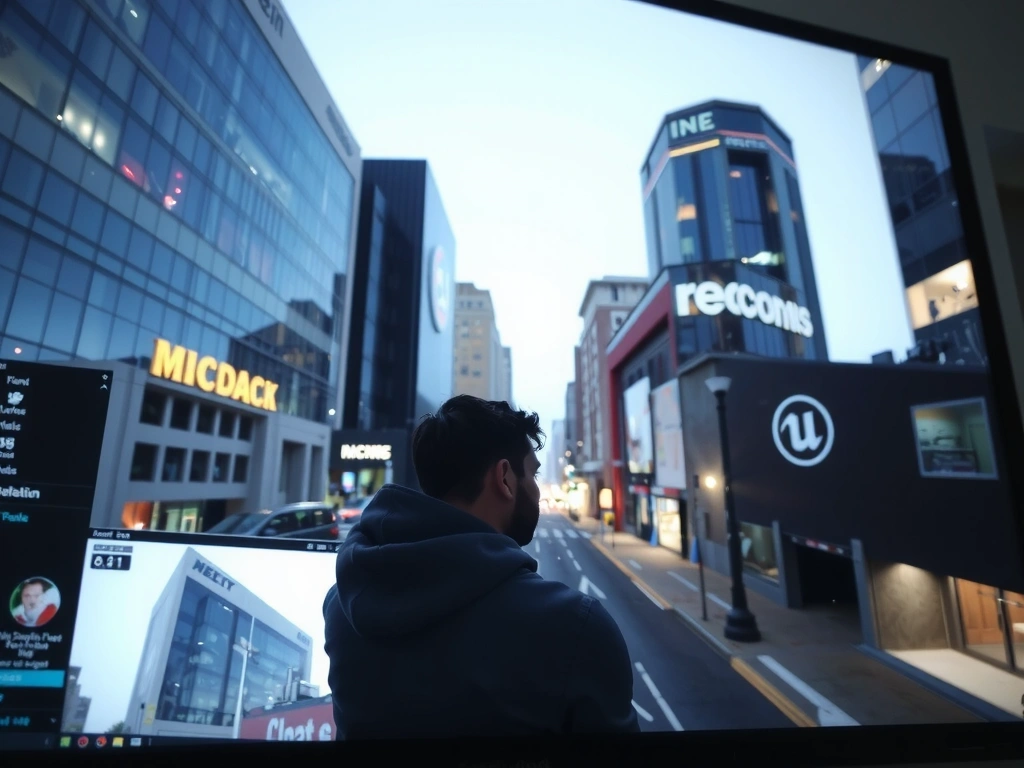
Unreal Engine Renderer Update

Unreal Engine Renderer Optimization

A specific update to the mobile renderer now optimizes draw calls for complex urban scenes. For widevera.space, this means denser environments with less battery drain on iOS 17 devices.

Development Compromises

01

High-Fidelity Textures vs. Initial Download Size

Downside: Loss of 40% of casual users on 4G connections during the first 100MB.

Mitigation: On-demand background asset streaming during introductory tutorials.

02

Competitive Latency vs. Cross-Regional Matchmaking

Downside: Longer wait times for players in low-density server regions like Eastern Europe.

Mitigation: Regional server nodes (Istanbul/Sofia) with elastic scaling for off-peak hours.

03

Unified Achievement Systems vs. Platform Performance

Downside: Injected SDK overhead increases cold-start time by 1.2s.

Mitigation: Lazy-loading non-critical SDK components after the main menu renders.

Stay informed on how we handle performance bottlenecks.

Inquire about SDK whiteboards